8 hr 30 min
Minca Coffee, Cacao & Waterfall Adventure
Journey through rainforest trails to artisan farms, sacred waterfalls, and hands-on chocolate workshops
Reserve
Hand-picked by our editors — only the best 5 experiences from 40 reviewed.
Verified partners for every tour, free cancellation where available, and instant confirmation on every booking.
8 hr 30 min
Journey through rainforest trails to artisan farms, sacred waterfalls, and hands-on chocolate workshops
Reserve
7 hr
Journey through tropical trails to a hidden cascade, meet an Arhuaco family, and taste artisan cocoa
Reserve
7 hr
Explore organic coffee farms, swim in a hidden cascade, and craft bean-to-bar chocolate in the Sierra Nevada foothills
ReservePrices from verified partners. Availability updates in real time at checkout. Free cancellation policies apply where shown.
The landmarks, rooms, and views travelers on this tour remember — all visible on a single visit.
Observe the initial stage where raw beans are fermented to develop flavor. This process typically lasts several days for high-quality yields.
Witness the traditional roasting of beans over open flames or modern ovens. The aroma here is highly concentrated and distinct.
View the expansive racks where beans are laid out under the sun. These beds cover hundreds of square meters across the farm.
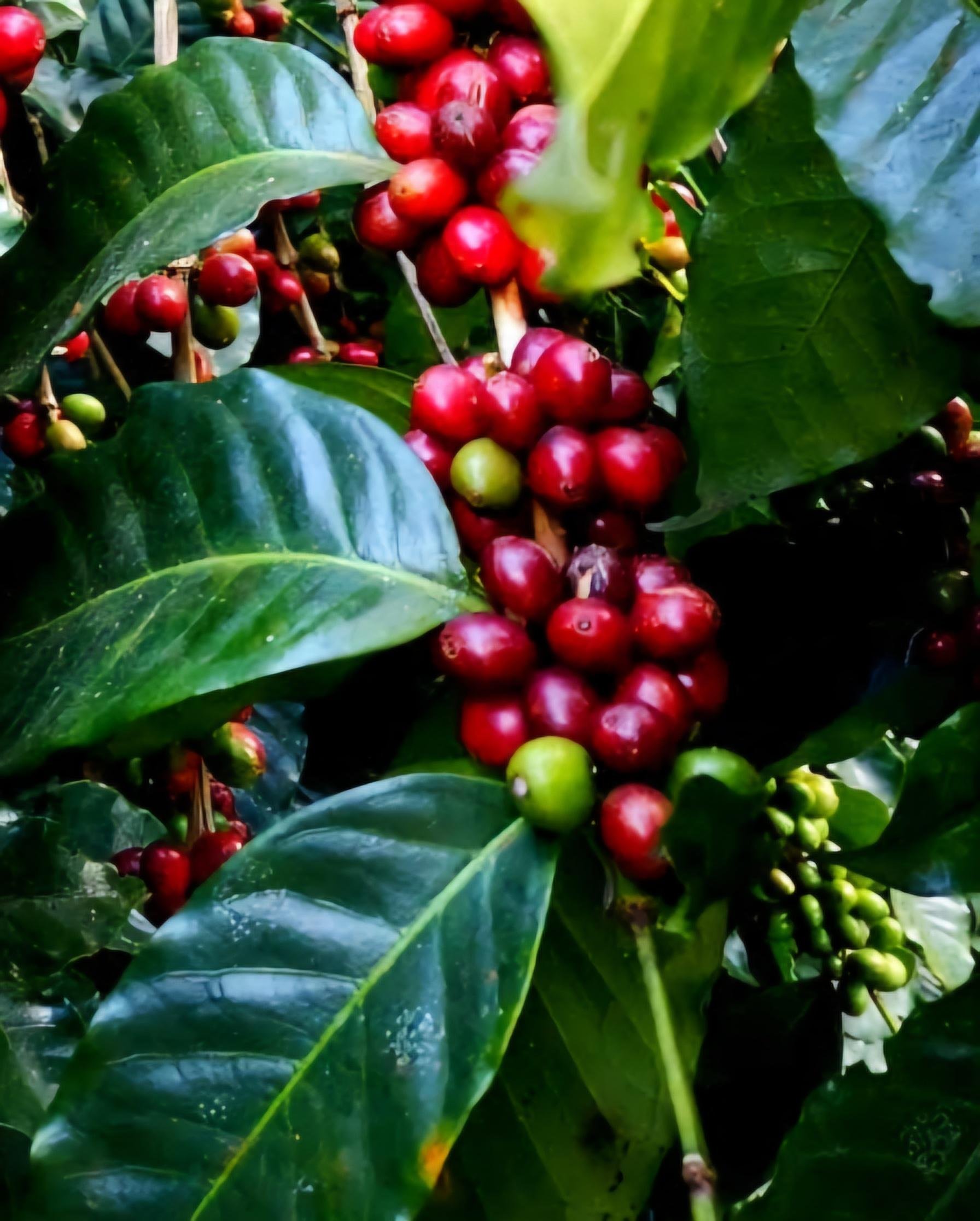
Walk through the dense rows of coffee shrubs and cacao trees. This is where the manual harvesting occurs throughout the year.
Finish your minca coffee and cacao tour with a sample of fresh products. Experts explain the flavor profiles found in the Sierra Nevada.
They complement each other; most visitors who do both call the farm-to-cup agricultural experience the more immersive, while the specialized classes are superior for hands-on culinary skill building.
| Feature | Top pick Minca Coffee and Cacao Tour | Chocolate Workshops |
|---|---|---|
Experience Type |
Agricultural farm tour | Culinary craft class |
Time Commitment |
2–4 hours | 1.5–2 hours |
Educational Focus |
Cultivation and processing | Tempering and molding |
Physical Activity Level |
Moderate walking | Minimal sedentary activity |
Primary Setting |
Mountain plantation | Indoor kitchen studio |
Output Included |
Product tasting | Handmade chocolates |
| See tickets → |
Verdict: Choose the minca coffee and cacao tour tours if you prefer a nature-based deep dive into local plantations, or select the workshops if you want to purchase minca coffee and cacao tour tickets for a focused kitchen-based craft session.
Choose your ticket, select your date, and reserve in under two minutes. Secure checkout handled by our verified partner.
Instant confirmation by email, with a mobile voucher you can save offline. No printing, no queuing at a collection desk.
Arrive at the entrance, show your voucher on your phone, and walk in. Most tickets include priority or skip-the-line access.
Practical details for your visit straight from our verified partners — hours, access, rules, and how to get there.
Minca, Sierra Nevada
Follow signs from village center
Direct transport from Santa Marta to Minca
Local moto-taxi service available from Minca village
Wear comfortable, breathable clothing suitable for hiking in humid, tropical mountain conditions. Sturdy, closed-toe walking shoes or hiking boots are strongly recommended due to uneven trails.
Keep belongings minimal as there are no secure lockers available for the minca coffee and cacao tour. Carry a lightweight backpack for essentials, but avoid bringing large suitcases.
Photography is permitted throughout the farm grounds during your minca coffee and cacao tour. Be respectful of private processing areas and do not disturb workers.
The minca coffee and cacao tour traverses steep, natural mountain paths that are not wheelchair accessible. Visitors should have a moderate level of physical fitness to navigate the farm.
Mobile phone coverage is inconsistent in the Sierra Nevada mountains. Keep devices charged but expect limited signal throughout your visit.
Families are welcome on the minca coffee and cacao tour, though parents should monitor children closely on steep trails. Young children may require assistance on the terrain.
Complimentary tastings are typically included in the minca coffee and cacao tour experience. Water is available, but bringing a reusable bottle is advised to stay hydrated.
Pets are generally not permitted on the farm grounds to protect the agricultural crops. Verify specific farm rules if you are traveling with a service animal.
Always check weather conditions before departing as mountain rain is frequent. Tours are subject to change based on harvest cycles.
Best time to go, insider tips, nearby landmarks, and the cancellation fine print — flip through to skim what matters to you.
How crowds, weather, and events shift across the year.
August offers drier days compared to peak rainy months. Early mornings remain the best time to start your minca coffee and cacao tour.
December to March provides the most stable weather for farm treks. Expect clear skies for viewing the Sierra Nevada mountains.
April to November requires gear for sudden afternoon downpours. Trails can be slippery during this period.
Small details that turn a good visit into a great one.
Drink plenty of water before starting your walk to avoid heat exhaustion. Mountain sun is stronger than it feels in the shade.
Prioritize grip over style when selecting shoes. Paths on a typical minca coffee and cacao tour can become muddy quickly.
Bring small denominations of Colombian Pesos. Many mountain farms do not accept digital payments for extra purchases.
Follow the best arrival window of 08:00–10:00 to avoid afternoon rain. This is the most consistent advice for a successful minca coffee and cacao tour.
Apply repellent before entering the vegetation. Tropical insects are active throughout the day.
Non-bookable sights within a short walk — free to visit, easy to pair.
Natural swimming pools in a mountain creek
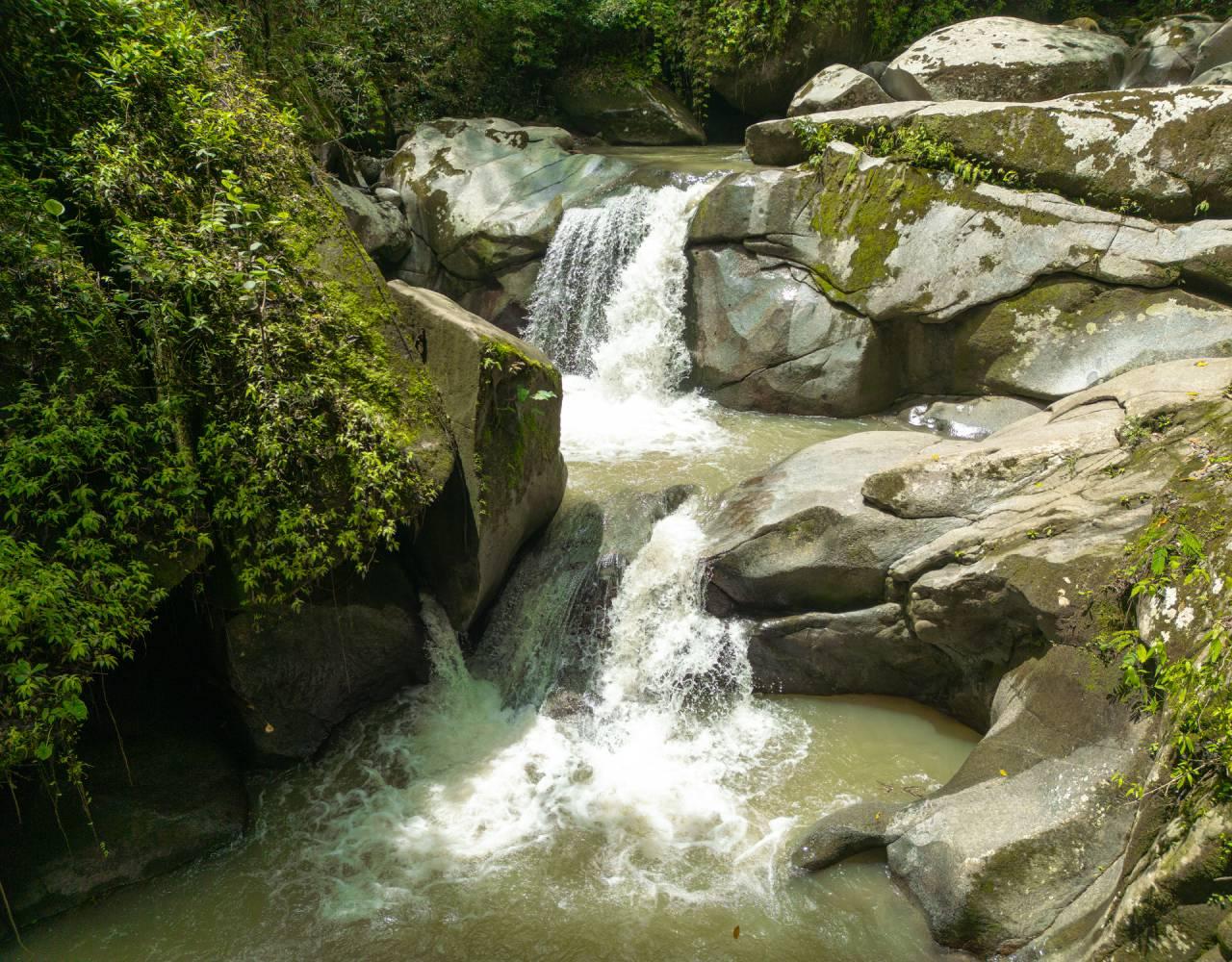
A series of scenic cascades in the forest
High altitude lookout with mountain views
Flexible, no hidden fees.
Full refunds are available for cancellations made at least 24 hours in advance. The 25,000 COP entrance fee may be non-refundable depending on specific operator conditions.
Hand-picked options within walking distance — pick a district for vibe, or a specific hotel for convenience.
Central access to all local farm tours
Secluded stays in the high forest
Cacao was traded as currency in Mesoamerica long before it was ever drunk sweet, and in the Sierra Nevada de Santa Marta it still travels a short, unglamorous road: pod to fermentation box to drying patio, often within a hundred metres. Minca sits at roughly 600 metres above sea level on the northern flank of that range, a village of a few hundred residents wedged into a valley where the Río Minca runs cold year-round. Coffee arrived here in the late nineteenth century, carried by German and English settlers who recognised what the mountain offered: altitude, shade, volcanic-adjacent soils, and a dry season sharp enough to finish a harvest. La Victoria, founded in 1892, still runs part of its mill on water-driven Pelton wheels and British-made machinery hauled up by mule. Arabica varietals — typica, caturra, castillo — grow beneath native shade canopy, which is why the birding lists here run past 300 species. A Minca coffee and cacao tour tour typically threads both crops together, because most fincas grow them on the same slope. What makes the place matter now is less nostalgia than economics. Smallholders who once sold unwashed parchment to intermediaries have shifted toward direct sales, on-site processing, and visitor-facing work. The cacao side followed: fermentation boxes, sun-drying racks, stone-ground chocolate, and workshops like Casa Jocolate that take a pod apart in front of you. Entry to a standalone farm tour averages 25,000 COP per person, and gates across the valley keep the same rhythm — 08:00–17:00, seven days a week. The architecture is functional rather than ornamental. Drying patios angle south. Beneficios — wet mills — cascade downhill so gravity does the moving. Wooden fermentation boxes sit under corrugated roofs, and the whole assembly is designed around water, which the Sierra supplies in volume. Higher up, indigenous Kogi and Arhuaco communities hold territory that has shaped conservation policy across the massif, a UNESCO Biosphere Reserve since 1979. Minca coffee and cacao tour tours therefore document a working landscape, not a preserved one. Roasting drums turn, machetes open pods, and the Cascadas de Marinka lie a short walk from several routes. The village address is simple enough — Minca, Sierra Nevada de Santa Marta, Magdalena, Colombia — but the terrain behind it is anything but.

"Coffee and cacao share the same slope here, and often the same afternoon."
A step-by-step walkthrough of the visit — what you'll see, how long each stage takes, and the details that matter.
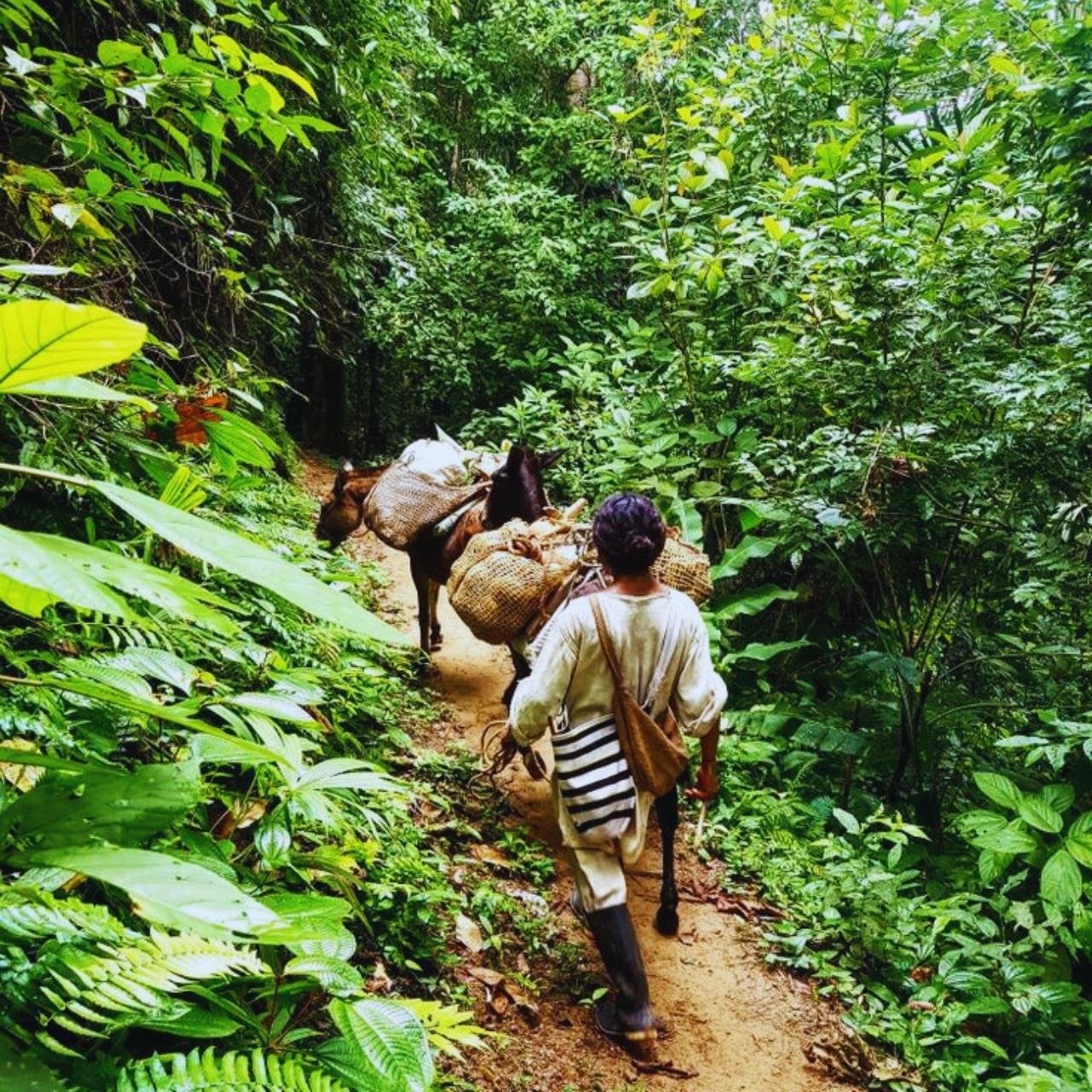
You leave Santa Marta early and climb the 14 kilometres of switchbacks in a 4x4 or on the back of a mototaxi, arriving between 08:00 and 10:00 while the valley still holds cool air. Gates open at 08:00. You pay 25,000 COP for a standalone farm visit, or step straight into a booked route. You walk into the shade first. Your guide pulls a ripe cherry off a caturra bush, splits it with a thumbnail, and hands you the two seeds inside, slick with mucilage. You follow the water downhill — depulper, fermentation tank, washing channel, drying patio — and you turn the parchment with a wooden rake because everyone does. Minca coffee and cacao tour tickets on most routes fold in the cacao side next: a pod cracked open, white pulp tasted raw, beans roasted in a shallow pan until they crackle. You grind. The metate or hand mill takes real effort, and the paste that comes off it is warm, bitter, and nothing like a supermarket bar. You drink a cup roasted that morning. By midday you are back outside. Several operators walk you on to a waterfall — Marinka or Pozo Azul — where you swim before the afternoon cloud builds over the ridge. You descend by 17:00, hands still smelling faintly of cacao butter.
The attraction is open daily from 08:00–17:00. These hours apply to every day of the week.
Yes, children are welcome on the minca coffee and cacao tour. Be aware that the terrain is uneven and requires supervision.
Yes, the average cost for a standalone farm tour is 25,000 COP per person. Check with the operator for specific minca coffee and cacao tour tickets availability.
Wear comfortable hiking attire and sturdy shoes. The minca coffee and cacao tour takes place on mountainous, potentially muddy terrain.
Small daypacks are allowed on the minca coffee and cacao tour. Avoid large bags as there are no secure storage facilities provided.
The minca coffee and cacao tour typically includes tastings of coffee and cacao products. No full meals are served.
The best arrival window is 08:00–10:00 to avoid mid-day heat. This timing is standard for the minca coffee and cacao tour to ensure comfort.
Cancellations made 24 hours in advance are eligible for a refund. Contact the operator directly for policies regarding the 25,000 COP entrance fee.
You can take a taxi or motor-taxi from Minca village to reach the minca coffee and cacao tour location.
Photography is encouraged during the minca coffee and cacao tour. Keep gear protected from humidity and potential rain.